

Hickory Point RV Park may be known for its laid-back atmosphere and scenic views for RVers, but it’s also a surprisingly rich spot for birdwatching. With its blend of shoreline, open grassy spaces, and nearby woodland edges, the park attracts a wide array of birdlife throughout the year. Wading birds like great egrets and little blue herons can often be seen stalking the shallows, while songbirds flit through the trees, and woodpeckers tap out their rhythms in the background.
Nestled in the heart of West Central Florida, our campground offers more than shaded pines, tranquil riverbanks, and cozy campsites—you’re also just a short drive or paddle away from a rich and varied birding experience along the Anclote River and nearby preserves. Whether you’re an avid birder or just want to enjoy nature, this area shines throughout the year. Here’s what to look for, when to visit, and some tips to make your birdwatching great.
Why the Anclote & Surrounding Areas Are Special
While birding is especially fun while sipping your morning coffee by the riverfront, a quick trip down to Anclote River Park also offers good wading and shorebird views; wooded edges for songbirds and Anclote Gulf Park is also great for observing sea ducks, gulls, and seabirds from piers and mudflats. You may also want to visit Anclote Key Preserve State Park for a more wild, island experience. It is excellent for nesting shorebirds and beach species.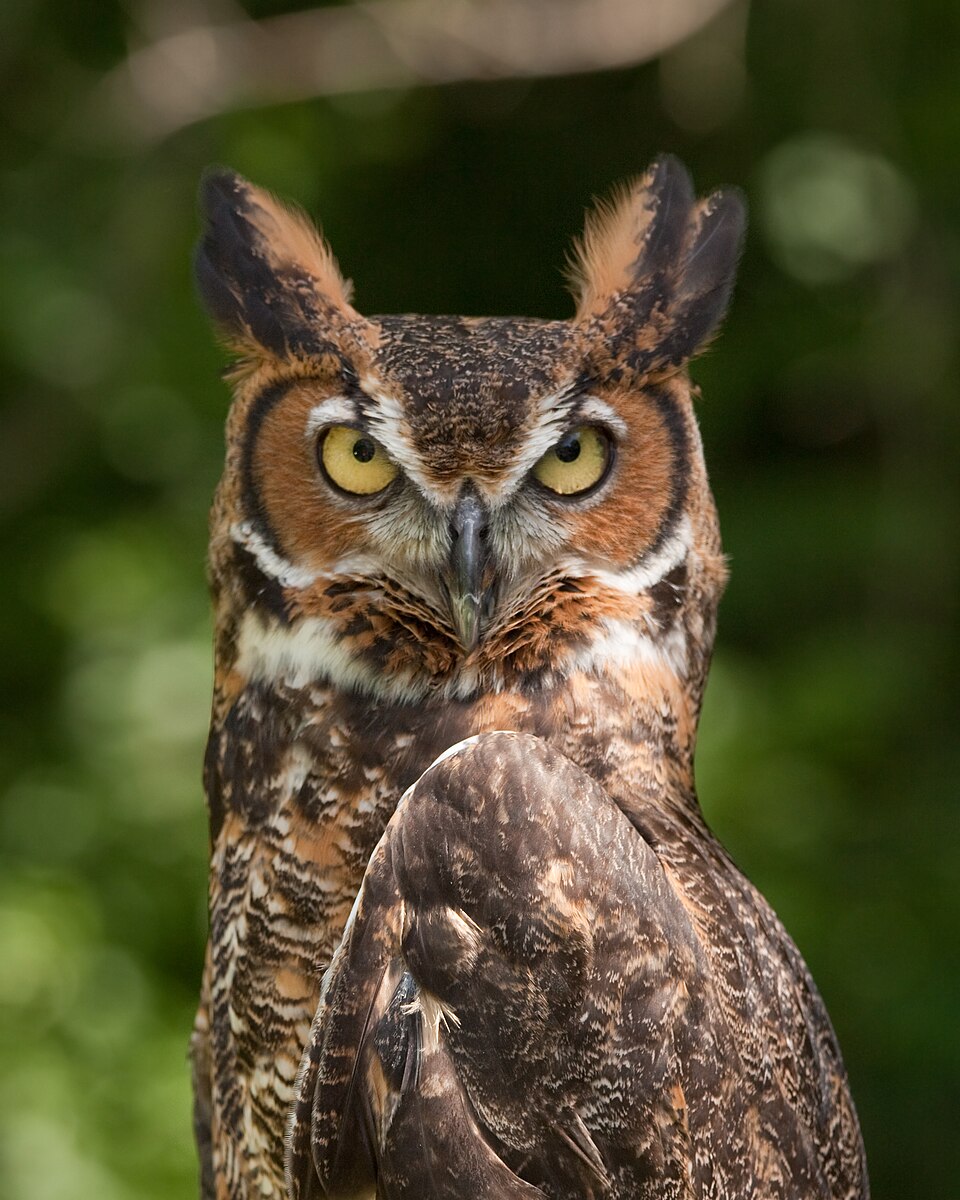
During spring and fall migration, Hickory Point becomes a valuable stopover for migratory species, offering both a place to rest and a variety of feeding opportunities. Its easy access and relaxed setting make it an ideal spot for birders of all levels—whether you’re out for a morning stroll with binoculars or logging sightings for your life list. Adding to the excitement, ospreys are frequently spotted soaring overhead or perched near the water with freshly caught fish in their talons. As the sun sets, the area takes on a more mysterious tone, with owls—like barred or great horned owls—calling from the treetops or gliding silently through the dusk.
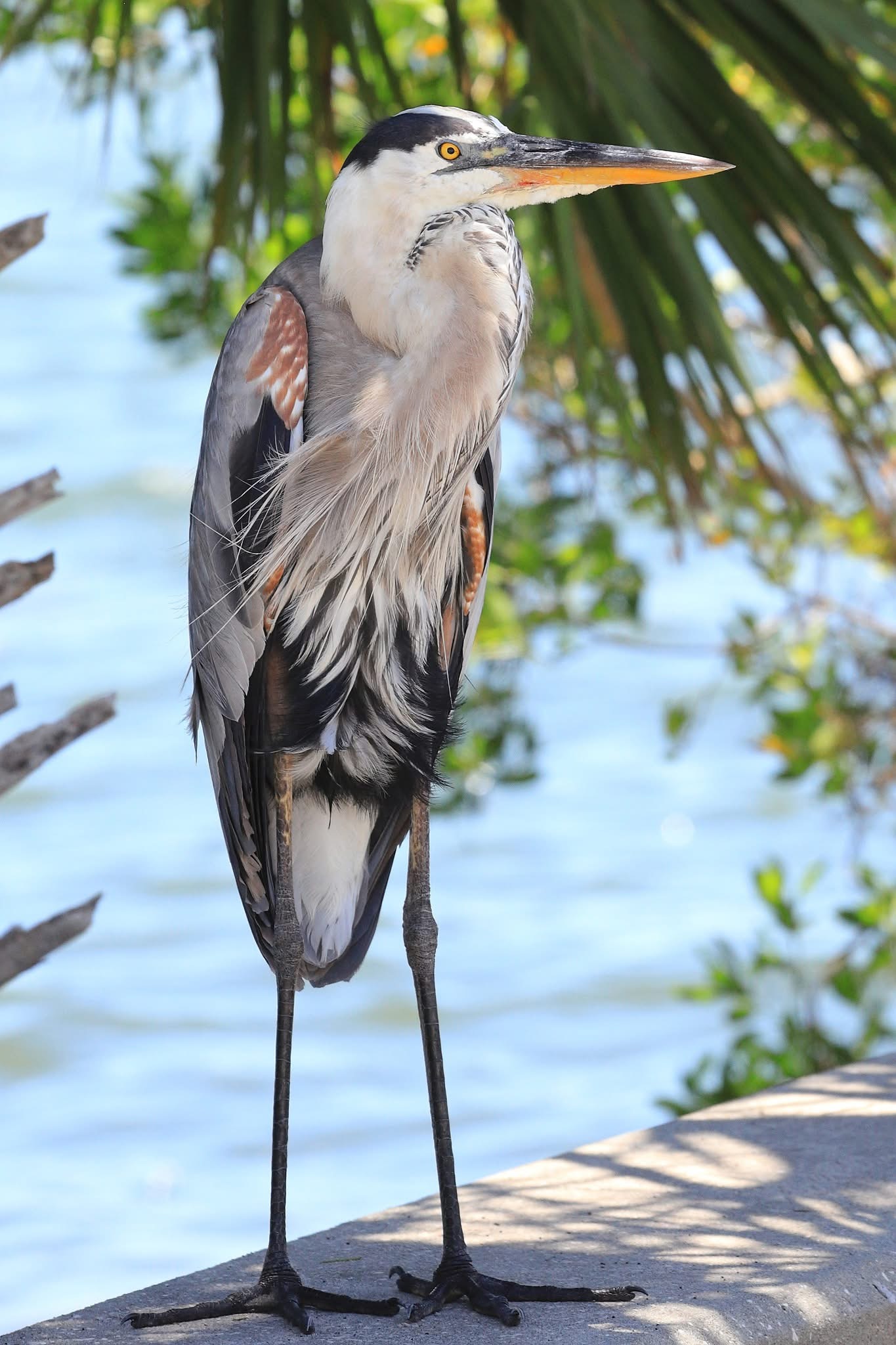 Mudflats, beaches, salt marshes, and estuaries support shorebirds, wading birds, and seabirds. These ecosystems are vital for birds, especially during migration and breeding seasons, offering resources for survival and reproduction. Mudflats are flat, muddy areas exposed at low tide—rich in invertebrates like worms and shellfish, attracting birds that probe for food.
Wooded areas, including dense forests and stands of oak trees, provide crucial resting and feeding habitats for a wide variety of songbirds and migratory species. These environments offer shelter from predators, protection from harsh weather, and an abundance of food sources such as insects, seeds, and acorns. For migratory birds in particular, these wooded sections serve as essential stopover sites where they can refuel and regain energy during their long journeys.
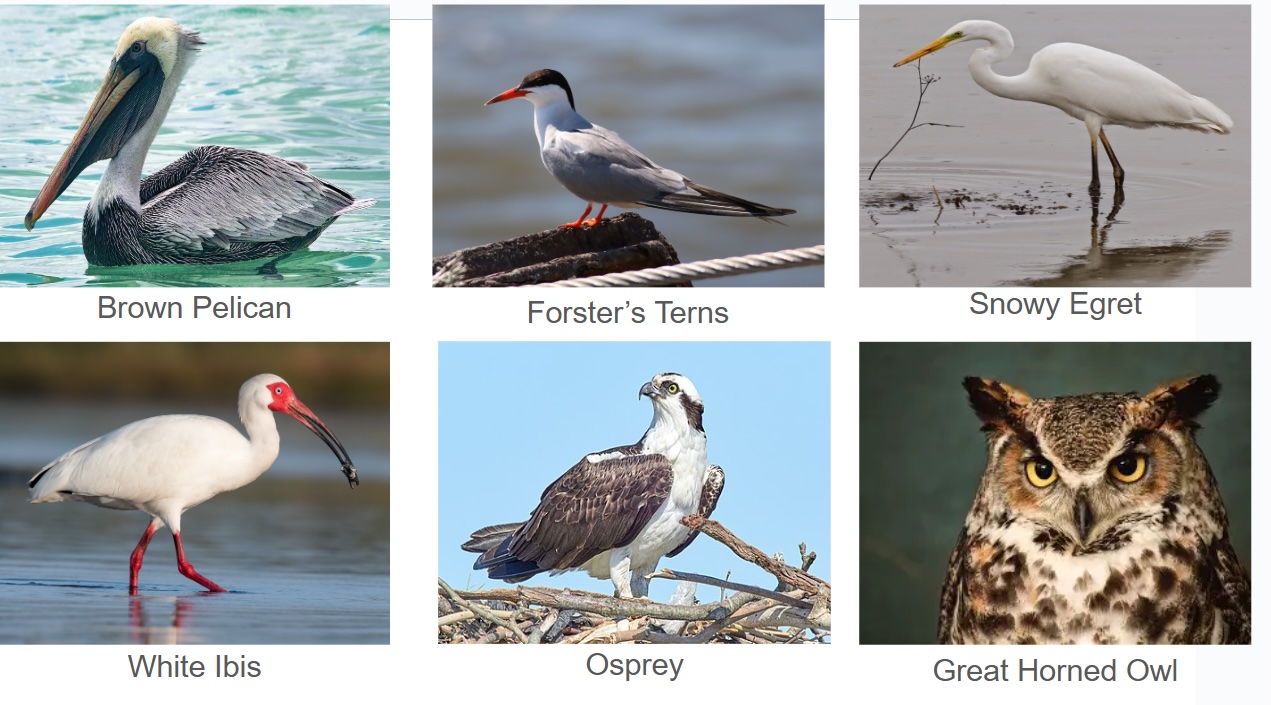 Islands and barrier beaches, such as Anclote Key and its chain of nearby islands, play a vital role in supporting bird populations by serving as important nesting grounds and resting areas for both resident and migratory species. These remote and relatively undisturbed habitats offer safe, open spaces where birds can lay eggs, raise their young, and take refuge during long migratory journeys. The sandy shorelines, dunes, and sparse vegetation found on these islands provide ideal conditions for ground-nesting seabirds, shorebirds, and other coastal species. Additionally, the isolation from predators and human activity makes them critical sanctuaries, especially during breeding and migration seasons.
The beauty of this region is that there are good birding opportunities almost all year — but the types of species and how abundant they are will depend on season.
Whether you’re an experienced birdwatcher or just someone who loves being in nature, Hickory Point RV Park offers an unforgettable opportunity to connect with the outdoors. The combination of varied habitats—from tidal flats and serene riverbanks to lush woodlands—creates a vibrant ecosystem that supports an impressive diversity of birdlife year-round. No matter the season, you’re always in for a new discovery or a quiet moment with a bird you’ve never seen before. So, grab your binoculars and come experience the beauty and serenity of our park—whether you’re birding, relaxing, or just soaking in the sights and sounds of this unique Florida gem.